Fines for Illegal Dumping in Marylebone and How to Avoid Them
Posted on 29/07/2026
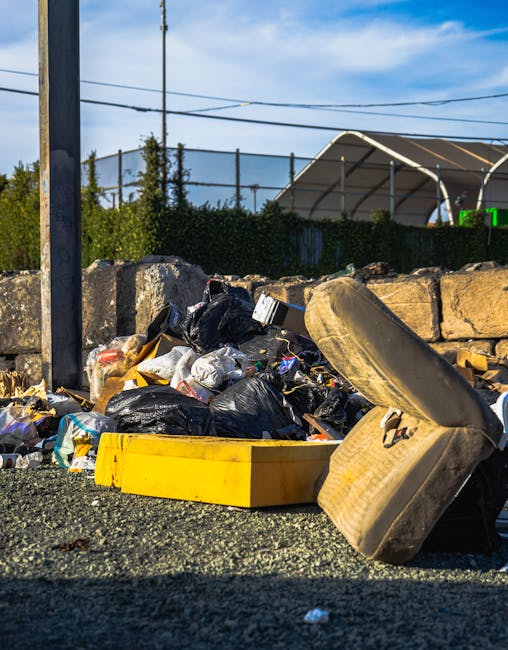
If you live, work, manage property, or run a business in Marylebone, illegal dumping is one of those problems that can turn into an expensive headache very quickly. A single bag left beside a bin, a sofa abandoned after a move, or construction rubble pushed into the wrong place can trigger fines, complaints, and in some cases a much bigger enforcement issue than people expect. The good news? Most of it is avoidable with a bit of planning and the right disposal route.
This guide explains Fines for Illegal Dumping in Marylebone and How to Avoid Them in plain English. You will learn what counts as illegal dumping, why Westminster enforcement matters, how penalties are typically handled, and what practical steps keep you on the safe side. We will also look at common mistakes people make in flats, shops, rental properties, and renovation jobs. Nothing dramatic, just the stuff that actually helps.
And yes, there is a difference between "I meant to deal with it tomorrow" and "I dumped it somewhere I shouldn't have." The second one can cost far more than a missed collection slot.
To make the advice easier to use, this article includes a simple step-by-step process, a checklist, a comparison table, and answers to the questions people ask most often.
Quick takeaway: illegal dumping is usually less about intent and more about poor disposal habits. If you separate waste properly, use approved collection methods, and keep records where needed, you can reduce the risk of fines dramatically.
Why Fines for Illegal Dumping in Marylebone and How to Avoid Them Matters
Marylebone is a busy part of Westminster with a constant mix of residents, visitors, hospitality venues, shops, office space, and building work. That mix creates pressure points. Rubbish appears on pavements, behind shops, in communal bin stores, and near estates faster than people expect. If waste is placed incorrectly, left too long, or handed to the wrong person, it can become someone else's problem very quickly. That is exactly how fines and complaints start.
Illegal dumping matters because it affects more than the person who caused it. A missed collection can attract vermin. A pile of mixed rubbish outside a property can block access and create friction with neighbours. A discarded mattress or black sacks left by a front door can make an entire street look neglected. In a place like Marylebone, where many streets are tightly managed and residents expect high standards, enforcement tends to be taken seriously.
It also matters because the cost is not just financial. If an enforcement officer believes waste was dumped illegally, the person responsible may face a fixed penalty or further action depending on the circumstances. Even where the fine itself is manageable, the time spent dealing with notices, appeals, or landlord conversations is rarely worth it. Truth be told, nobody wants that sort of surprise on a Tuesday morning.
For landlords, agents, and businesses, the reputational effect can be just as painful. One avoidable dumping incident can make tenants nervous, attract complaints from neighbours, and create a trail of emails that lasts for weeks. That is why strong disposal habits are not just "nice to have"; they are part of basic property and business management.
If you are comparing ways to avoid the problem, it may help to start with the wider service picture on the services overview and then narrow down the right route for your waste type. For larger jobs, a planned collection is usually easier than trying to improvise on the day.
How Fines for Illegal Dumping in Marylebone and How to Avoid Them Works
At a practical level, enforcement usually follows a simple logic: waste that is left in the wrong place, at the wrong time, or in the wrong way may be treated as fly-tipping or improper disposal. The details depend on what was left, where it was left, who was responsible, and whether there is evidence such as labels, invoices, witness reports, or footage. That evidence point is a big one. A tied black sack with an address label on it is not exactly helping your case.
For residents, the most common risk is leaving items outside without arranging a proper collection. For example, placing a mattress near a bin store, putting broken furniture in a communal area, or leaving DIY waste beside the pavement because "someone will probably take it" can all create problems. For businesses, the risk often comes from overflow waste, boxes left outside too early, or contractor waste not being removed promptly. For landlords, shared areas are the danger zone. A tenant might dump something, but the landlord or managing agent may still be drawn into the issue if the site is poorly controlled.
Marylebone also has a lot of mixed-use buildings, which makes things trickier. A commercial tenant above a residential block might generate cardboard, packaging, food waste, and bulky items all in one week. If those streams are not kept separate, the disposal route can get muddled and, from there, mistakes happen. That is where a proper waste plan pays for itself.
There are also different disposal methods, and not all are equal. Some items need special handling. Some can be booked for collection. Some can go through a licensed waste clearance service. Others should never be mixed with general rubbish at all. The safest approach is to treat each item as needing an intentional decision, not just "away it goes."
When the job is bigger than a bin or two, services such as rubbish removal in Marylebone or waste clearance are often the practical answer. For renovation debris, you may need a more specific route like builders waste disposal in Marylebone, while bigger domestic clear-outs may be better handled through house clearance. Different waste, different risk.
Key Benefits and Practical Advantages
Getting disposal right is not only about avoiding fines. It also makes day-to-day life easier. That sounds obvious, but in practice it changes how a move, refurbishment, or busy business week feels. Suddenly you are not trying to hide bags in the hallway or guess whether the waste will disappear by itself. The pressure drops a bit.
- Lower enforcement risk: Proper disposal reduces the chance of fixed penalties, complaints, and follow-up action.
- Cleaner shared spaces: Communal areas stay usable, safer, and far less awkward for everyone involved.
- Better neighbour relations: People notice when waste is handled well. They also notice when it is not.
- Less admin stress: With a plan, you spend less time chasing collections, apologising, or rescheduling other work.
- Improved property presentation: For landlords and agents, tidy waste management supports tenant confidence and viewings.
- More sustainable disposal: Good sorting makes recycling and reuse more realistic, not just aspirational.
There is also a practical business advantage. Shops, offices, and hospitality venues in busy parts of Marylebone cannot afford clutter outside their premises. A neat frontage helps footfall and avoids needless attention. For that reason, a specialist route such as office clearance or targeted shop waste management can be far better than leaving staff to improvise. In our experience, the "we'll sort it later" approach is usually where the trouble begins.
Who This Is For and When It Makes Sense
This guide is for anyone who handles waste in Marylebone, even occasionally. That includes people moving home, tenants clearing a flat, landlords checking a vacant property, shop owners dealing with packaging, contractors removing rubble, and residents who simply have more waste than the usual bin setup can handle. If you are thinking, "That is probably me, then," you are right.
It makes particular sense if you are in one of these situations:
- You are moving out or helping someone clear a property after a move.
- You have bulky items that will not fit into standard bins.
- You are renovating, replacing fixtures, or dealing with builders' rubble.
- You manage a block, estate, or rental portfolio and want to prevent dumping in common areas.
- You run a local business and need reliable, discreet rubbish handling.
- You are unsure whether an item counts as ordinary rubbish, bulky waste, or hazardous waste.
For tenants, the biggest danger is assuming the building will "handle it somehow." For landlords, it is assuming the tenant has arranged everything properly. For businesses, it is assuming staff will remember the right process on a busy day. All three assumptions can be costly.
If you are in a property with recurring waste issues, it can help to read practical related guidance such as Westminster rubbish rules for Marylebone residents and the landlord toolkit for stopping flytipping. They fit neatly with the wider prevention mindset here.
Step-by-Step Guidance
Here is the simplest way to stay away from illegal dumping problems in Marylebone. Nothing fancy, just a sensible sequence.
- Identify the waste correctly. Separate general rubbish, bulky items, recyclables, garden waste, builder's waste, and anything potentially hazardous.
- Check whether the item needs special handling. Paint, chemicals, electricals, mattresses, fridges, plasterboard, and rubble often need more thought than ordinary bags of waste.
- Decide where it should go. Use the correct bin, book a collection, arrange clearance, or take it to the appropriate disposal route. Do not leave it outside "for now."
- Make timing part of the plan. If your collection day is not immediate, store the waste safely indoors or in a designated place. Waiting out on the pavement is asking for trouble.
- Keep evidence. Receipts, booking confirmations, and photos of what was collected can help if a dispute arises later.
- Brief everyone involved. If there are tenants, staff, contractors, or cleaners, make sure the disposal instructions are actually understood. Not just skim-read.
- Follow up quickly. If waste is left behind after a job, fix it fast. The longer it sits, the more likely it is to become a complaint or enforcement issue.
For renovation projects, a dedicated route such as bulky waste from renovations is often the easiest starting point. If the job involves a mattress, it may be worth using a focused service like same-day mattress removal in Marylebone rather than leaving it in a stairwell overnight. Simple fix, fewer headaches.
A sensible example
Imagine a flat near Baker Street where a couple is moving out on a Friday afternoon. They have a sofa, broken shelving, a few bags of mixed rubbish, and a stack of packaging. If they leave it in the communal hall "until Saturday," they could create a complaint. If they book removal in advance, separate the packaging, and avoid blocking the entrance, the whole move feels calmer. Same waste. Very different outcome.
Expert Tips for Better Results
A few small habits make a disproportionate difference. That is usually how these things go, honestly.
- Do not mix waste streams unless you have to. Mixed loads are harder to dispose of correctly and can increase cost or delay.
- Keep bulky waste indoors until collection. Visible piles create complaints fast, especially in shared buildings.
- Use licensed, professional clearance where appropriate. It is often safer than relying on informal help from someone with a van and a vague promise.
- Plan around access. Marylebone streets, mews, estates, and narrow entrances can create timing issues. A good plan avoids awkward blockages.
- Be cautious with "free removal". If somebody takes your waste and then dumps it elsewhere, responsibility can still come back around.
- Match the service to the job. Garden cuttings are not builders' rubble. Office furniture is not general household waste. The distinction matters.
One useful habit is to think one step ahead: if this item leaves my property today, where should it legally and sensibly end up? That little pause prevents a surprising number of mistakes. It is not glamorous. It works.
If you are managing several sites or a larger property, the logistics get easier when you use the same disposal process each time. A repeatable process beats a rushed one every time. For sustainability-minded sorting and reuse, the recycling and sustainability approach can also help you make cleaner decisions.

Common Mistakes to Avoid
Most illegal dumping cases do not begin with bad intentions. They begin with convenience, confusion, or optimism. "It will be fine" is a dangerous little phrase in waste management.
- Leaving waste beside a full bin: If the bin is full, adding more outside it is still an issue.
- Putting items out too early: Early placement can look like abandonment and may attract complaints.
- Assuming a contractor is licensed: Always check carefully. If they are not properly handling waste, you could still be affected.
- Forgetting shared areas: Stairs, hallways, bin stores, and rear yards count too. Not just the pavement.
- Using the wrong service: A general collection is not always enough for bulky or specialist waste.
- Ignoring hazardous items: Chemicals and certain household products need more care than ordinary rubbish.
- Leaving landlord issues unresolved: In rental property, one forgotten pile can become everyone's problem.
A particularly common mistake in Marylebone is underestimating how quickly an item can become a nuisance. A mattress leaning against a wall at 4 p.m. may still be there at 9 a.m. the next day, and by then someone has probably photographed it. Not ideal.
Tools, Resources and Recommendations
You do not need a complicated toolkit to avoid fines. You need a simple system and a few reliable habits.
| Need | Best approach | Why it helps |
|---|---|---|
| Bulky household items | Book a planned clearance service | Reduces the chance of leaving items in shared spaces |
| Renovation debris | Use a dedicated builders waste route | Keeps rubble, wood, and mixed debris controlled |
| Business waste | Arrange regular, predictable collections | Prevents overflow and frontage clutter |
| Full-property clean-out | Choose house or office clearance | Faster, safer, and easier to document |
| Unclear waste streams | Sort before you move anything | Helps avoid mixing hazardous and general waste |
For people dealing with homes, rentals, and older furniture, house clearance in Marylebone is often the most straightforward option. For commercial premises, office clearance may be the better fit. And if you simply need a broader local option, waste clearance in Marylebone offers a flexible route for mixed jobs.
For safety and peace of mind, it is also worth paying attention to service standards and practical safeguards. The site's insurance and safety information can help reassure you that a proper process is being followed. And if you care about the payment side of things, the payment and security page is another sensible stop. Simple, clear, no nonsense.
Law, Compliance, Standards, or Best Practice
When people talk about illegal dumping, they are usually referring to flytipping or improper disposal of waste. In practice, the key point is straightforward: waste should be handled responsibly, passed to the right route, and not left where it creates a nuisance or breach of local requirements. In Westminster, that expectation is especially important because of the density of buildings, the pressure on street space, and the visibility of waste in public areas.
This is where best practice matters. Even when the situation is not dramatic, the right habits protect you. That means:
- using the correct container or collection method,
- keeping evidence of lawful disposal where sensible,
- separating materials where possible,
- not obstructing pavements or communal entrances, and
- checking access, timing, and property rules before setting anything out.
For landlords and managing agents, good compliance is not just about one-off collections. It is about setting rules that tenants can actually follow. For example, a clear bin store sign, regular collection rhythm, and simple instructions for bulky items go a long way. If you need more background on council-facing expectations, this Westminster rubbish-rules guide is a useful companion read.
Best practice also means being honest about uncertainty. If you are unsure whether something counts as hazardous waste, mixed construction debris, or a bulky item, do not guess. Ask first, move second. That tiny delay can save a costly mess.
Options, Methods, or Comparison Table
Here is a simple comparison of common disposal approaches people use in Marylebone.
| Method | Best for | Pros | Watch out for |
|---|---|---|---|
| Regular bin disposal | Daily household waste | Convenient and familiar | Not suitable for bulky or special items |
| Self-transport to disposal point | Small amounts, well-sorted waste | Direct control over the process | Time, vehicle access, and loading issues |
| Planned clearance service | Bulky, mixed, or urgent waste | Less stress, faster removal | Needs booking and clear item description |
| Specialist collection | Mattresses, builders waste, hazardous items, office furniture | Proper handling and better compliance | Must match the correct waste type |
If your waste is tied to a specific situation, choose the method that fits that situation rather than the cheapest-looking one. For instance, renovation waste is better handled through builders waste disposal, while garden cuttings are better matched to garden waste removal. Different jobs really do call for different routes.
Case Study or Real-World Example
A small Marylebone restaurant recently finished a refurbishment and had packaging, broken shelving, and a few leftover fixtures sitting in the rear service area. Staff were busy, deliveries were coming in early, and the temptation was to leave the waste until the end of the week. That would have been a problem. The area was visible, access was tight, and neighbouring businesses were already on edge because of extra noise from the works.
Instead, the manager split the waste into categories, booked a suitable clearance, and cleared the rear area the same day. The result was unglamorous but effective: no obstruction, no complaints, and no risky bags left behind. The whole thing looked a bit chaotic for an hour, then calm again. That is usually how good disposal works in real life - a short burst of organisation, then peace.
A similar thing happens in residential blocks. A tenant moving out may think one sofa can wait by the entrance overnight. But if the block has regular foot traffic, that one sofa becomes a visible issue immediately. A simple same-day collection or pre-arranged clear-out keeps everyone happier and far less exposed to penalties.
Practical Checklist
Use this checklist before you put any waste out in Marylebone.
- Have I identified exactly what the waste is?
- Does any item need special handling or segregation?
- Have I arranged the correct disposal method?
- Am I allowed to leave it where I plan to leave it?
- Will it block shared access, pavements, or entrances?
- Have I kept a record of the booking or collection?
- Have all staff, tenants, or contractors been told the same instructions?
- Is the waste staying indoors or in a secure place until collection?
- Have I checked whether the load needs a more specific service?
- Would I be comfortable if a neighbour took a photo of this setup right now?
If the last question makes you hesitate, it is usually a sign to tidy up the plan. A little awkward honesty saves money later.
Conclusion
Fines for illegal dumping in Marylebone are best avoided by making waste disposal deliberate, not improvised. That is the real lesson here. If you identify the waste properly, use the right collection route, keep items off the street, and document what you have done, your risk drops sharply. Most problems come from rushed decisions and assumptions, not from impossible rules.
For residents, that means thinking ahead before a move or clear-out. For landlords, it means setting clear expectations and checking shared areas. For businesses, it means keeping waste from spilling into public view. None of it is difficult on its own. Put together, though, it makes a big difference.
And if you are handling bulky waste, renovation debris, or a property clear-out, it is usually far easier to use a service that matches the job than to improvise and hope for the best. Marylebone does not reward sloppy waste habits. It really doesn't.
Get a free quote today and see how much you can save.
Take the simple route, keep things tidy, and you will save yourself stress as well as money. That is a win that feels good long after the bags are gone.



 Tipper Van - Property Waste Removal and Rubbish Removal Prices in Marylebone, W1
 Luton Van - Property Waste Removal and Rubbish Removal Prices in Marylebone, W1