






Regent's Park House Clearance Service in Marylebone
Posted on 06/05/2026
Regent's Park House Clearance Service in Marylebone: A Practical Local Guide
If you're sorting out a flat, townhouse, rental property, or inherited home near Regent's Park, the job can feel bigger than it first looks. Rooms fill up fast, awkward staircases make everything harder, and there is usually a mix of furniture, paperwork, old appliances, and things you are not quite ready to decide about. A Regent's Park House Clearance Service in Marylebone is designed to make that process calmer, quicker, and far less stressful. Done properly, it is not just about removing rubbish. It is about handling the whole job with care, discretion, and a clear plan.
This guide explains how house clearance works in the Regent's Park and Marylebone area, who it helps, what to expect, and how to avoid the common mistakes that waste time and money. If you are comparing options, you may also find it useful to look at the wider house clearance service in Marylebone and the broader services overview for related clearance and removal needs.
Expert summary: The best clearance jobs are planned, itemised, and handled with a clear sorting process. That means less disruption, better recycling outcomes, and fewer nasty surprises on the day. Truth be told, a tidy plan often saves more stress than people expect.
Why Regent's Park House Clearance Service in Marylebone Matters
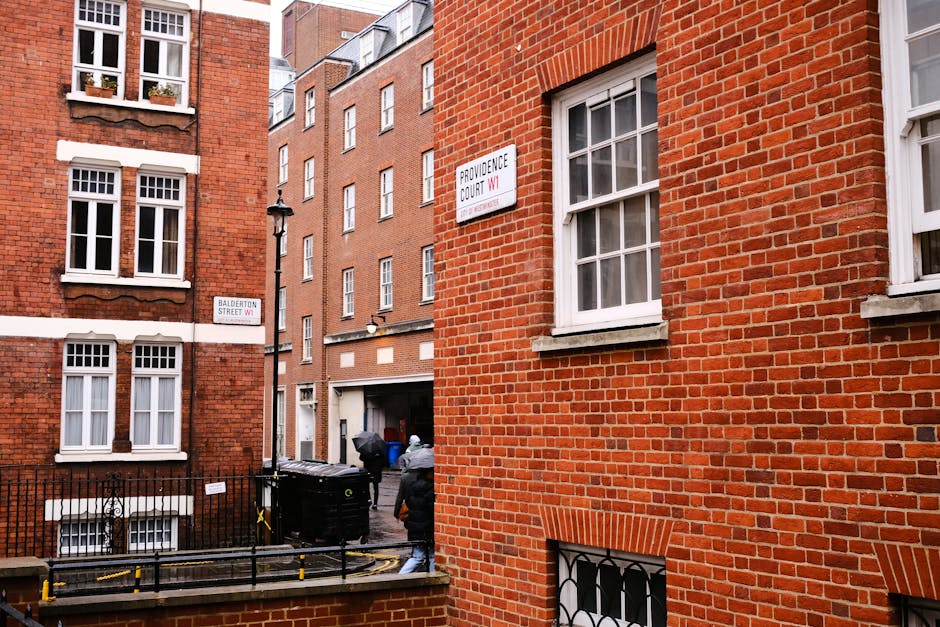
Regent's Park and the surrounding Marylebone streets have a very particular rhythm. Many properties are period homes, managed apartments, or long-held family flats with narrow hallways, shared entrances, and neighbours who quite rightly expect things to be handled quietly and neatly. That makes clearance more than a simple lifting job. It becomes a logistics task, a sorting task, and sometimes a sensitive personal task all at once.
People usually need a house clearance service here for one of a few reasons: a move, a probate estate, a landlord turnaround, a downsizing project, or the end of a tenancy. In each case, timing matters. A delayed clearance can hold up decorators, surveyors, removals, estate agents, or the next occupant. And if the property is close to Regent's Park, you may also need to think about access, parking, and loading without causing disruption. Not glamorous, perhaps, but absolutely real.
There is also an emotional side. Clearing a home is often tied to change, and change can be messy. A good service respects that. It should help you decide what stays, what goes, what can be donated or recycled, and what needs careful handling. If you want to understand how local service options fit together, take a look at the main Marylebone services page and the about us page for a better feel for the provider behind the work.
In a neighbourhood like this, discretion matters too. A professional team should arrive ready to work without turning the street into a scene. That means clear communication, efficient loading, and careful handling of shared spaces. Small details, big difference.
How Regent's Park House Clearance Service in Marylebone Works
Most clearances follow a straightforward process, though every property brings its own quirks. A single-bedroom flat with a lift is one thing. A multi-storey townhouse with awkward stairs and a mix of furniture, books, and stored belongings is another. The right service adapts to the space rather than forcing a one-size-fits-all approach.
1. Initial enquiry and item discussion
You start by explaining what needs clearing. Good providers will want to know the size of the property, the type of items involved, whether there are any heavy or fragile pieces, and whether anything needs to be separated for reuse, recycling, or disposal. Photos help a lot. So do clear notes. A quick snapshot of a cupboard, a loft, or a garage can save a lot of back-and-forth.
2. Quote and scheduling
You should receive a clear quote or estimate, ideally with the basis explained in plain English. Some jobs are straightforward enough to price from photos. Others need a visit. Either way, the service should be transparent about what is included. If you are comparing rates or need a clearer view of how quoting works, the pricing and quotes page is a useful reference point.
3. Arrival and access planning
On the day, the team will usually confirm access, parking arrangements, and any building rules. In Marylebone, that can make a real difference. A quick chat with the concierge or building manager helps if access is controlled. For flats, lifts, corridor protection, and timings may all need checking first. It sounds fussy, but it prevents headaches later.
4. Sorting and removal
Items are typically sorted into categories such as reusable, recyclable, donation-appropriate, and disposal-bound. This is where a house clearance differs from a simple van-and-dump approach. A thoughtful team will look for ways to reduce waste and keep good items in circulation. For more context on sustainable disposal habits, see the recycling and sustainability page.
5. Final sweep and handover
Once the main items are removed, the crew should leave the space tidy and ready for the next stage, whether that is sale, refurbishment, or new occupancy. That final sweep matters more than people sometimes realise. One forgotten corner of packaging or old fittings can become the next person's problem, and nobody wants that.
Key Benefits and Practical Advantages
The obvious benefit is convenience. You save time, physical effort, and a whole lot of decision fatigue. But the real value runs deeper than that.
- Less disruption: Professional teams work methodically, which helps especially in shared buildings and busy streets.
- Better use of space: A full clearance reveals the actual condition and size of the property. It is amazing how different a room looks after the clutter is gone.
- Safer handling of bulky items: Heavy wardrobes, beds, and appliances can be awkward or risky to move without the right approach.
- More responsible disposal: Items can be reused or recycled where possible rather than simply thrown away.
- Faster property turnaround: This is a big one for landlords, sellers, agents, and families managing estate matters.
- Reduced emotional strain: Especially in probate or downsizing situations, having a steady, experienced team makes the day easier to get through.
There is also a less obvious advantage: clarity. Once the property is cleared, decisions become simpler. You can see what needs cleaning, decorating, measuring, repairing, or listing. In a way, the clearance creates breathing room. That's often the moment people say, "Right, now we can actually start."
Who This Is For and When It Makes Sense
This kind of service is suitable for a wide range of people, and not just when a property is packed wall to wall. Sometimes a fairly small job still makes sense to outsource if the items are bulky, the access is tricky, or time is tight.
Homeowners and families
If you are preparing a property for sale, downsizing, or dealing with a relative's home, house clearance can take pressure off a difficult period. A considerate approach is especially important in probate situations, where people often want to keep certain items aside for family before anything leaves the property.
Landlords and letting agents
End-of-tenancy clearances are common in Marylebone. Sometimes the property is left with a few items. Sometimes it is more. Either way, a swift clearance helps get the space back into circulation. If there is also damage, renovation waste, or leftover trade materials, a related builders waste disposal service in Marylebone may be the better fit for part of the job.
Executors and probate professionals
Probate clearances require a steadier hand. Items may need to be separated carefully, photographed, or held back for legal or family reasons. A clear list helps. So does patience. It is not always a fast process, and that is fine.
Property managers and investors
Marylebone homes are often high-value assets, and keeping them ready for market matters. If you are managing an upgrade or preparing a property for sale, there is useful context in the Marylebone property investment insights article and the Marylebone real estate trade piece. Clearance is part of the wider value-preservation picture, not just a chore.
People clearing after renovations or life changes
Sometimes the need is simple: you have just finished a refurbishment, you are merging two households, or a long-unused room has become unmanageable. The job may not be emotional, but it still deserves planning. Otherwise it turns into a weekend-eating monster. And nobody needs that.
Step-by-Step Guidance
If you want a smoother experience, it helps to approach the clearance in stages. The work itself may only take a few hours, but the preparation makes a difference.
- Walk through the property room by room. Note large furniture, appliances, paperwork, loft contents, garden items, and anything fragile or valuable.
- Separate personal or essential items first. Passports, documents, jewellery, sentimental items, bank papers, and personal electronics should be removed before the clearance begins.
- Decide what should be retained, donated, recycled, or disposed of. If you are unsure, make a "maybe" pile. That pile is normal. Very normal.
- Take photos of full rooms and tricky access points. Stairs, basements, narrow doors, and lift restrictions are worth showing upfront.
- Ask for a clear quote based on volume, access, and item type. The most useful estimate is one that explains what affects the price.
- Confirm access and timing. Check keys, concierge rules, loading bays, and any quiet-hour expectations for the building.
- On the day, stay available for quick decisions. A team often needs a fast answer about whether to keep, remove, or set aside a specific item.
- Afterwards, inspect the space. Do a final look-through for hidden drawers, loft corners, and cupboards before signing off.
That final check sounds basic, but people do forget things. A small notebook, a photo album under a shelf, or a box tucked behind a radiator. It happens.
Expert Tips for Better Results
A good clearance is usually won before the van even arrives. The smoother you make the planning, the easier the day becomes.
Label anything you want to keep
Use bright tape, sticky notes, or simple labels. If you are clearing a property with multiple family members involved, a label is worth its weight in gold. It cuts down on confusion and awkward phone calls later.
Separate documents and small valuables early
Paperwork can be mixed into drawers, bags, and storage boxes in a way that is surprisingly easy to miss. Check carefully. Then check once more, just to be safe.
Think in categories, not room by room only
Room-by-room is useful, but categories like furniture, electronics, textiles, and paperwork can help identify what should be recycled, reused, or handled separately.
Ask about donation potential
Some furniture and household items may be reusable if they are in reasonable condition. It is worth asking whether the clearance team can separate items suitable for a second life. Not everything has to go straight to disposal.
Plan around access realities
In Marylebone and around Regent's Park, access can be the real constraint. A perfectly organised clearance still slows down if the loading point is awkward or the lift is too small. Measure first if needed. It saves grief.
Keep a simple decision list
When you are under pressure, decisions become fuzzy. A short list helps: keep, donate, recycle, dispose. Four buckets. Simple enough, and it stops the job from becoming emotionally tangled.
If you need a broader rubbish collection solution alongside the clearance, the rubbish removal in Marylebone service can be useful for mixed loads, while the waste clearance page is worth a look if you are comparing disposal options.

Common Mistakes to Avoid
The most common errors are simple, but they cause real trouble.
- Leaving sorting until the last minute. This slows the job and increases the chance of accidental disposal.
- Not checking access details. A lift booking, stairwell width, or parking restriction can easily change the plan.
- Assuming every item can just be removed without question. Some items need special handling, and that should be discussed before the day.
- Forgetting building rules. Shared entrances, concierge systems, and timed loading bays can complicate things if nobody has checked first.
- Not asking what is included in the quote. Clear pricing prevents misunderstandings.
- Mixing personal documents with general clutter. This one is very common and a little stressful to fix later.
- Choosing a provider without checking trust and safety basics. Insurance, proper conduct, and disposal standards matter more than a bargain headline.
To be fair, everyone makes at least one of these mistakes the first time. The trick is to catch them early, not after the van doors close.
Tools, Resources and Recommendations
You do not need a huge toolkit to prepare for a house clearance, but a few simple items make the process easier.
- Heavy-duty bags or boxes: For keeping, sorting, or protecting smaller items.
- Labels or masking tape: Helpful for marking keep, donate, recycle, and remove.
- A phone camera: Photos help with quoting, insurance questions, and family decisions.
- Basic gloves: Useful for sorting through dusty storage areas or loft spaces.
- Notebook or checklist: Handy for keeping track of which rooms are done and what still needs a decision.
For local readers who want to understand more about the wider area and how property use shapes clearance needs, the Marylebone articles on how to spend a day in Marylebone and local residents' views on living in Marylebone offer useful local context. They are not clearance guides, of course, but they do help explain the character of the area and why service standards matter here.
For service-related reassurance, the insurance and safety page and payment and security information are smart pages to review before booking. Small detail, yes. But important detail.
Law, Compliance, Standards, or Best Practice
House clearance is not just a practical service; it also sits within a wider responsibility to handle waste properly and respectfully. In the UK, reputable operators should follow appropriate waste handling practices, use legal disposal routes, and avoid leaving the customer exposed to avoidable problems. That does not mean every situation is identical, but it does mean you should expect professionalism.
A few best-practice points are worth keeping in mind:
- Duty of care: Waste should be passed to someone who can handle it properly and lawfully.
- Traceable disposal: A provider should be able to explain where waste goes or how it is processed.
- Careful handling of personal items: Particularly relevant in probate, downsizing, and end-of-tenancy jobs.
- Responsible recycling: Items should be separated where practicable rather than everything being treated the same way.
- Respect for neighbours and shared spaces: In flats and mansion blocks, quiet handling and tidy access are part of good practice.
If the job includes mixed waste from a renovation, trade waste, or garden materials, it may be sensible to use a more specific service. For example, the office clearance page covers a different property type, while garden waste removal in Marylebone may be more relevant for outdoor clear-outs. Matching the service to the waste stream is just cleaner practice, plain and simple.
If you want to understand the provider's broader commitments, the terms and conditions, privacy policy, and cookie policy can also help set expectations around booking and website use.
Options, Methods, or Comparison Table
Not every clearance needs the same approach. The right method depends on urgency, volume, access, and the sensitivity of the contents.
| Method | Best for | Advantages | Limitations |
|---|---|---|---|
| Full house clearance | Whole properties, probate, downsizing, end-of-tenancy | Most complete option; saves time; clears everything in one visit | May require more planning and sorting |
| Partial clearance | Single rooms, lofts, garages, selected items | Flexible and often quicker | Still needs clear item marking to avoid mistakes |
| Room-by-room staged clearance | Emotional or complex jobs with multiple decision-makers | Gives more control and reduces stress | Can take longer overall |
| Mixed rubbish removal | General bulky waste, awkward leftover items | Good for smaller or less sensitive loads | Less suitable where sorting or item retention is needed |
If the property is part of a refurbishment or post-works clean-up, you may also want to compare with builders waste disposal in Marylebone. The distinction matters. Builders waste, household clutter, and probate contents are not all handled the same way, and treating them as if they are can complicate the job.
Case Study or Real-World Example
Consider a typical Marylebone scenario: a two-bedroom flat near Regent's Park needs clearing after a long tenancy and a small refurbishment. The property has a few heavy pieces, several boxes of old books, a wardrobe that will not fit neatly through the hallway without planning, and a kitchen full of mixed items. Nothing dramatic. Just enough to become a headache if left to the last minute.
The first step is a short assessment with photos. That helps identify which items are straightforward, which may need extra hands, and whether access will require careful timing around residents in the building. On the day, the team protects shared areas, sorts the load, and works room by room, leaving aside a few items the owner wants to keep. The final result is not just an empty flat. It is a space that can be cleaned, measured, photographed, and prepared for the next stage without delay.
What usually stands out in jobs like this is not the physical removal itself, but the relief afterwards. The room sounds different. You can hear your footsteps. The echo is a little strange at first, then comforting. That is often the point where people realise the worst part is done.
Practical Checklist
Use this before booking or on the morning of the clearance.
- Identify whether you need full, partial, or staged clearance.
- Remove passports, private papers, keys, jewellery, and essential documents.
- Mark anything to keep clearly.
- Take photographs of rooms and access points.
- Check stairs, lifts, parking, and building rules.
- Ask what the quote includes and whether sorting is covered.
- Confirm any items that need special handling.
- Decide whether donation or recycling is important for specific belongings.
- Make sure someone is available for questions on the day.
- Do a final room check before the team leaves.
Simple list, but honestly, it prevents a lot of mess.
Conclusion
A Regent's Park House Clearance Service in Marylebone is at its best when it feels calm, organised, and respectful. The right approach saves time, reduces stress, protects the property, and helps useful items find their best next step. Whether you are dealing with a move, probate, a rental turnaround, or a long-overdue clear-out, the goal is the same: make the space workable again without creating extra problems.
Choose a service that understands the area, communicates clearly, and handles the job with care. Marylebone properties can be beautiful, but they can also be awkward in all the familiar London ways. Narrow stairs, busy streets, shared entrances, tiny pauses where a van can legally stop, you know the kind of thing. Good planning beats last-minute panic every time.
Get a free quote today and see how much you can save.
And if you are still weighing up your options, start with the services and pricing pages, gather a couple of photos, and ask the questions that matter. A steady, well-run clearance can lift a surprising weight off your shoulders. Sometimes quite literally, but also in the quieter sense too.



 Tipper Van - Property Waste Removal and Rubbish Removal Prices in Marylebone, W1
 Luton Van - Property Waste Removal and Rubbish Removal Prices in Marylebone, W1