






Bulky Waste from Renovations: Marylebone Disposal Options
Posted on 02/06/2026
Renovation work has a knack for creating chaos fast. One minute you are admiring a new kitchen plan, and the next you are standing in a hallway full of broken cabinets, old doors, offcuts, tiles, packaging, and a wardrobe that suddenly feels far too heavy to move. If you are dealing with Bulky Waste from Renovations: Marylebone Disposal Options, the real challenge is not just getting rid of the mess; it is choosing a safe, legal, and practical way to do it in a busy part of London.
That matters even more in Marylebone, where access can be tight, parking is never exactly generous, and a pile of waste outside a property can become a nuisance very quickly. This guide walks through the options clearly, from one-off bulky item removal to broader builders waste disposal in Marylebone, so you can decide what fits your project, your building, and your timeline. No fluff. Just the stuff that helps on a real Tuesday afternoon when the dust has settled and you need the hallway back.
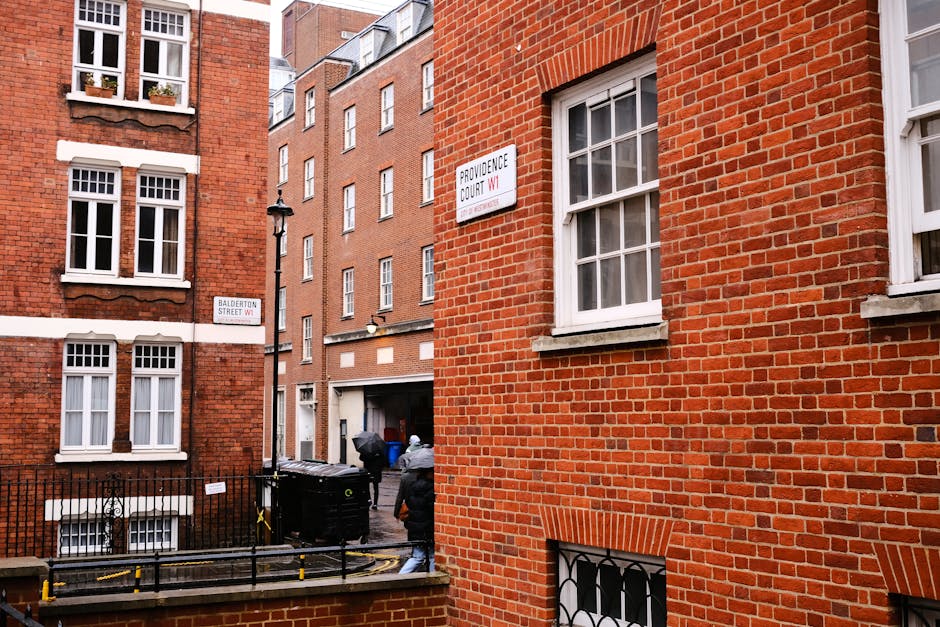
Why Bulky Waste from Renovations: Marylebone Disposal Options Matters
Renovation waste is not the same as everyday household rubbish. It tends to be awkward, heavy, dusty, and irregularly shaped. Think broken worktops, old bathroom suites, plasterboard, radiators, timber offcuts, flooring, packaging, and the inevitable odd items that somehow survive three rounds of tidying. A single bulky item can be manageable. Ten of them, mixed with debris, is another story.
In Marylebone, disposal matters for a few very practical reasons. First, space is limited. Flats, mews houses, and busy mixed-use streets leave very little room for stockpiling. Second, local movement is often constrained by narrow stairwells, shared entrances, loading windows, and neighbours who would quite like the building to keep functioning normally. Third, waste left too long can become a safety hazard or attract complaints, and that is the sort of headache nobody wants halfway through a renovation.
There is also the simple fact that not all bulky waste should be treated the same way. A damaged sofa can be removed differently from plasterboard or mixed construction debris. If you sort this badly, you can create extra cost, extra handling, and extra stress. To be fair, most people only discover that after they have already filled a room with skip bags and regret.
For projects that involve significant strip-out or multiple heavy items, it helps to think beyond "rubbish" and instead consider load type, access, timing, and disposal route. That mindset saves time and usually saves money too.
If you are planning a broader property clean-up alongside the renovation, it may also be useful to look at waste clearance in Marylebone or even general rubbish removal for mixed loads that do not fit neatly into one category.
How Bulky Waste from Renovations: Marylebone Disposal Options Works
In practice, bulky renovation waste disposal usually falls into a few routes. The right one depends on how much material you have, what it is made of, how quickly it needs removing, and whether access is straightforward.
Here is the usual flow: identify the waste, separate reusable or recyclable items where possible, check whether any materials need special handling, then choose the most suitable collection or disposal method. Simple enough on paper. Slightly less simple when you are standing in a third-floor flat with a cracked sink basin and no lift.
The main options generally include:
- Booked collection for a planned pickup at a time that suits the project schedule.
- Same-day or rapid removal when bulky waste is blocking work or causing a safety issue.
- Load-and-go clearance for mixed renovation waste, where everything is removed in one visit.
- Specialist handling for heavier or awkward items such as baths, wardrobes, doors, flooring bundles, or plasterboard.
- Separation-based disposal for recyclable timber, metal, cardboard, and clean rubble where sorting is practical.
The practical advantage of a professional collection route is that the lifting, carrying, sorting, and transport are handled in one go. That is often a better fit than trying to drag items through a tight stairwell yourself. Honestly, there are days when the staircase wins.
If your project is centred on internal refurbishment, a dedicated service such as builders waste disposal Marylebone is usually the closest match. If the waste is mostly household furniture or leftover contents from a strip-out, house clearance in Marylebone may be the better fit.
Key Benefits and Practical Advantages
Choosing the right disposal option for bulky renovation waste is not just about convenience. It changes how smoothly the whole project runs.
- Faster progress on site - rooms can be cleared and handed back to the trades more quickly.
- Less manual handling - fewer chances of injury, chipped walls, or scratched floors.
- Better use of limited space - especially important in Marylebone properties where every square metre seems to matter.
- Cleaner, safer conditions - fewer trip hazards and less dust spreading through the property.
- More predictable logistics - fixed appointment slots are easier to plan around than ad hoc fly-tipping behaviour, which obviously is not an option.
- Improved recycling potential - materials can often be separated more effectively when collected properly.
There is another benefit people overlook: calmer neighbours. If waste is removed promptly and discreetly, there is less noise, less obstruction, and less visual clutter in communal areas. In a street where people know one another and buildings sit close together, that matters.
Expert summary: The best Marylebone disposal option is usually the one that balances speed, access, and material type. If the waste is heavy, mixed, or blocking work, a scheduled bulky waste collection is often more efficient than trying to piece together multiple small trips.
Who This Is For and When It Makes Sense
This topic is relevant to a surprisingly wide group of people. Renovations do not only happen in major house flips or luxury developments. They happen in kitchens, bathrooms, offices, shopfronts, rental flats, and inherited properties that need a refresh before sale or re-let.
You may need bulky waste disposal if you are:
- replacing a kitchen and removing old units, worktops, and appliances;
- renovating a bathroom and clearing out bath panels, suites, mirrors, and boxing;
- changing flooring and dealing with underlay, timber, carpet, or tile debris;
- stripping out a flat before decorating;
- clearing furniture after a refurbishment of a rental property;
- managing waste from a shop, office, or mixed-use premises.
It also makes sense if you simply do not have the time or physical capacity to move large items safely. Some people can handle a chair or two. A full renovation, though? That is a different animal. And if the waste is sitting near an exit, fire route, or shared landing, it should be dealt with promptly.
For landlords and property professionals, the issue is often speed and presentation. A clean turnover looks better, protects the space, and makes it easier to move on to the next stage. If you are operating in the local property market, you may find related insights in Marylebone real estate trade and Marylebone properties strategic investment insights.
Step-by-Step Guidance
If you want the process to feel manageable, work through it in stages. Trying to solve every waste problem at once is where people get frazzled.
- Walk the site and list the bulky items. Separate furniture, fixtures, rubble, timber, packaging, and anything that may need special handling.
- Identify what can be reused or recycled. Good-condition doors, fittings, metal, and untreated timber may have a different route from mixed waste.
- Check access carefully. Measure doorways, lifts, stairwells, and any route from the property to the collection point. A bulky wardrobe can become a geometry problem very quickly.
- Decide how urgent the clearance is. If work is stalled, choose the fastest sensible option. If the job is still in progress, schedule a collection to avoid repeated interruptions.
- Match the waste type to the service. Renovation debris often fits better with specialist builders waste disposal, while mixed household items may suit broader waste clearance.
- Prepare items for safe removal. Remove loose contents, tape sharp edges where needed, and keep walkways clear.
- Confirm what happens after pickup. A trustworthy provider should be able to explain sorting, recycling, and any restrictions in plain English.
A small but useful habit: set aside waste in one defined area as the project unfolds. Do not let it spread through the property like an unwanted second renovation. That keeps the final removal faster and usually cheaper.
Expert Tips for Better Results
After a lot of renovations, one pattern becomes obvious: the jobs that go smoothly are usually the ones where waste was planned early. Not glamorous, but true.
- Book removal before the final demolition stage. If you wait until the whole flat is full, access gets harder and delays creep in.
- Separate clean materials from mixed waste. Clean timber or metal is often easier to handle than a single mixed pile.
- Think vertically as well as horizontally. In Marylebone flats, stack carefully without blocking fire exits or shared corridors.
- Keep a small "do not remove" zone. This helps prevent tools, fixtures, or salvageable items from being bundled up by mistake.
- Photograph the waste before booking. A few photos help clarify volume and access, and they reduce guesswork.
- Ask about disposal of awkward items. Baths, radiators, and wardrobes are usually manageable, but it is better to flag them early than improvise on the day.
One practical observation: the difference between a tidy strip-out and a messy one is often just ten minutes of sorting at the right time. It feels annoying in the moment. Then later you are very glad you did it.
If the project is time-sensitive, services like same-day mattress removal in Marylebone can be a useful reference point for understanding how quick-turnaround clearances tend to work.

Common Mistakes to Avoid
Most bulky waste headaches come from a few predictable mistakes. Easy to make. Easy to avoid, once you know them.
- Leaving waste until the end. This is the big one. It clogs space and slows trades down.
- Assuming all renovation waste is the same. It is not. Different materials need different handling.
- Underestimating access problems. A collection van may be close by, but the route from the flat can still be the real challenge.
- Mixing reusable items with rubble. Once a good item is damaged or contaminated, your options shrink.
- Ignoring safety concerns. Sharp edges, loose plaster, broken glass, and heavy lifting are not worth improvising around.
- Choosing a service that is too broad or too narrow. Too broad, and you may not get the right handling. Too narrow, and you may need a second collection. Nobody wants that.
Another common slip is forgetting that buildings and neighbours are part of the equation. A hallway blocked by waste might seem temporary to you, but someone else still has to pass through it with a buggy, shopping, or a cup of tea. That detail matters more than people think.
Tools, Resources and Recommendations
You do not need a warehouse full of specialist gear to manage bulky renovation waste well. A modest, sensible setup is usually enough.
- Work gloves for grip and protection during sorting.
- Heavy-duty bags or rubble sacks for smaller fragments and mixed light waste.
- Tape and labels for marking reusable items, sharp edges, or fragile materials.
- A tape measure for checking door widths, lift size, and awkward angles.
- Dust sheets or old blankets to protect floors and door frames during movement.
- Clear staging space where items can be gathered before collection.
For broader project planning, it can help to review the wider range of local services on the services overview and the main service pages. If your renovation spills into a larger property tidy-up, you may also want house clearance or office clearance depending on the setting.
And if part of your project is outside the home, perhaps after landscaping or rear-garden works, the dedicated garden waste removal Marylebone page is a sensible companion read. Renovation mess has a funny way of spreading everywhere, doesn't it?
Law, Compliance, Standards and Best Practice
When disposing of renovation waste, good practice matters. In the UK, waste should be handled responsibly and passed to someone who is properly able to take it away. That is the broad principle readers should keep in mind, even if they are only dealing with a single flat refurbishment.
For private householders, the main practical concern is avoiding unlawful dumping or handing waste to an unverified collector. For landlords, managing agents, and businesses, the duty of care becomes even more important, because records, traceability, and contractor reliability are part of the picture. If the waste comes from an office fit-out or shop refit, these obligations are usually taken more seriously, and rightly so.
Best practice generally includes:
- using a reputable collection provider;
- describing the waste accurately;
- keeping clear records of what was removed where appropriate;
- separating hazardous or specialist materials from general bulky waste;
- avoiding blocked exits, corridors, and shared areas;
- checking insurance and safety arrangements if heavy lifting or awkward access is involved.
If the job involves contractors or multiple trades, it is smart to clarify responsibility early. Who is moving what? Who is staging the waste? Who clears the final pile? These questions sound unexciting, but they prevent the sort of end-of-day confusion that turns into an argument at 6:15 p.m.
For reassurance around operational standards, you may also want to review insurance and safety information, along with the company's terms and conditions and recycling and sustainability approach. Those pages help set expectations in a way that is refreshingly plain.
Options, Methods, or Comparison Table
There is no single "best" disposal method for every renovation. The right choice depends on what you need removed and how the property is set up.
| Option | Best for | Strengths | Watch-outs |
|---|---|---|---|
| Booked bulky waste collection | Planned renovation waste with moderate volume | Predictable, tidy, easy to schedule | Less suitable if the waste is urgently blocking work |
| Same-day clearance | Fast-moving projects and last-minute access issues | Quick relief, minimal delay to trades | Requires clear communication and readiness on site |
| Builders waste disposal | Mixed renovation debris, strip-out materials, fixtures | Well suited to construction-style waste streams | Needs a clear description of material types |
| House clearance style removal | Renovations involving furniture and contents removal | Useful for property refreshes and end-of-tenancy works | May be broader than needed for pure construction waste |
| Waste clearance | Mixed loads that include bulky items and smaller debris | Flexible, practical for one-off clear-outs | Sorting beforehand still helps |
For most Marylebone renovation jobs, flexibility matters more than fancy terminology. A service that can cope with narrow access, mixed items, and a realistic collection window tends to outperform the one that looks neat on paper but falls apart at the doorway.
Case Study or Real-World Example
A typical Marylebone scenario might look like this: a second-floor flat is being renovated after a long-term tenancy. The kitchen has been stripped, the old laminate flooring is stacked by the living room wall, and there is a broken wardrobe, a mattress, and a few bagged items that do not belong to any one trade.
The first instinct is often to keep pushing waste into one corner. That works until it does not. The hallway narrows, the decorators need access, and the couple of larger pieces suddenly become the main issue rather than the new paint or the new cabinets.
In that sort of situation, the sensible approach is to split the load mentally into three buckets: furniture, renovation debris, and mixed waste. Furniture goes with one removal plan, heavy debris with another, and the mixed bits are staged together for a single collection. This reduces handling and avoids repeatedly moving the same item around the property. It is not glamorous work, but it saves time and lowers the risk of scraping a wall or dropping something heavy on a threshold.
For building-intensive jobs, a mix of builders waste disposal and broader rubbish removal in Marylebone usually covers the job better than trying to force everything into one rigid category. That is the quiet little secret of efficient renovation clearance: match the service to the actual mess, not the mess you wish you had.
Practical Checklist
Use this before booking disposal or collection:
- Have I listed every bulky item and major debris pile?
- Have I separated reusable items from waste?
- Do I know whether any materials need special handling?
- Is access clear from the property to the pickup point?
- Have I measured any awkward items or tight doorways?
- Do I need a same-day collection or a planned slot?
- Have I checked whether the project is mainly furniture, renovation debris, or mixed waste?
- Are shared areas, entrances, and fire routes kept clear?
- Have I told everyone on site what should stay and what should go?
- Do I understand the provider's recycling, safety, and service terms?
Quick takeaway: if you can describe the waste clearly, stage it neatly, and choose the right disposal route, the whole job becomes far less stressful. That is the difference between a messy clearance and a smooth one.
Get a free quote today and see how much you can save.
Conclusion
Bulky renovation waste is one of those things that looks simple until it is sitting in the middle of a Marylebone property, blocking access and soaking up time. The good news is that once you understand the disposal options, the decision becomes much easier. Match the waste type to the right service, plan for access, and keep the collection process as tidy as the renovation itself.
For some readers, that means a straightforward bulky collection. For others, it means a more complete clear-out through waste clearance, house clearance, or one of the dedicated local services. Either way, the goal is the same: keep the project moving, keep the space safe, and keep unnecessary stress out of the picture.
And once the waste is gone, the room always feels better in that quiet, satisfying way. A little lighter. A little calmer. That is usually the moment the renovation starts to feel worth it.



 Tipper Van - Property Waste Removal and Rubbish Removal Prices in Marylebone, W1
 Luton Van - Property Waste Removal and Rubbish Removal Prices in Marylebone, W1