Hazardous Household Waste in Marylebone -- Safe Steps
Posted on 18/06/2026
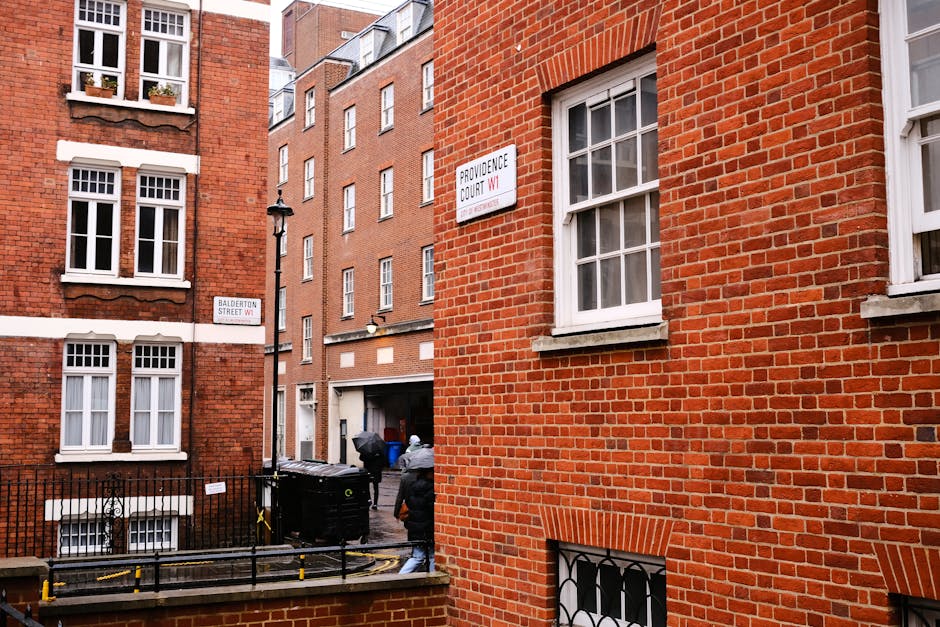
If you have a leaking paint tin under the sink, an old battery drawer that keeps growing, or a half-used bottle of solvent sitting in the utility cupboard, you are not alone. Hazardous household waste in Marylebone is one of those jobs people put off until it starts feeling awkward - or risky. The good news is that safe handling is usually straightforward once you know what counts as hazardous, what to separate, and when to get help.
This guide walks through the safe steps in plain English. It explains what hazardous household waste looks like in a Marylebone home, why careful handling matters, how the disposal process normally works, and how to avoid the mistakes that cause spills, fines, or unnecessary stress. A lot of it is common sense, to be fair. But in a busy flat, a period townhouse, or a shared block, common sense can get lost pretty quickly.
For broader support with domestic or mixed waste, you may also find the site's services overview useful alongside recycling and sustainability guidance when planning a safe clear-out.
Why Hazardous Household Waste in Marylebone -- Safe Steps Matters
Hazardous waste is not just an industrial issue. In a home, it can include items that are flammable, corrosive, toxic, pressurised, or otherwise capable of causing harm if they leak, break, or are mixed with general rubbish. Think old paint, cleaning chemicals, pesticide containers, aerosols, fluorescent tubes, batteries, engine oil, solvent-based products, and certain DIY leftovers.
Why does it matter so much in Marylebone specifically? Because homes here are often compact, storage space is tight, and waste storage areas can be shared. A single punctured container in a communal bin store can create smells, stains, vapours, or contamination that spreads fast. In older buildings, that is even more awkward because a small leak in the wrong place turns into a bigger clean-up than it should have been.
There is also a simple duty of care point. Even when the waste originates at home, it still needs to be sorted and passed on safely. Careless disposal can put cleaners, porters, neighbours, and waste handlers at risk. And let's face it, nobody wants a screwdriver-through-aerosol moment on a Monday morning.
Expert summary: The safest approach is to identify hazardous items early, keep them separate, store them upright and sealed, and arrange a proper disposal route before the pile grows into a problem.
If you are managing a larger domestic clear-out, related pages like house clearance in Marylebone and waste clearance services can be helpful as part of a broader plan, especially when hazardous and non-hazardous items are mixed together.
How Hazardous Household Waste in Marylebone -- Safe Steps Works
The process is simpler when you break it into stages. First, identify the item. Second, isolate it from normal waste. Third, make sure it is stored safely. Fourth, choose the right disposal route. That sounds basic, but these four steps prevent most of the mess and risk.
Hazardous household waste usually needs more care than mixed rubbish because it can react with other materials. For example, bleach should never be casually mixed with other cleaning products. Aerosols can burst under pressure if heated or crushed. Batteries can leak. Broken light tubes can release dust or sharp fragments. In a flat, those are not theoretical problems; they are the kind of thing that shows up in a kitchen cupboard or under the stairs when you least want it.
In practical terms, safe handling usually means:
- keeping products in their original containers where possible
- not decanting chemicals into drinks bottles or unlabelled tubs
- keeping lids closed and packaging upright
- separating incompatible materials
- storing items away from heat, sunlight, and children
When the waste is part of a larger clear-out, it often makes sense to sort everything at once rather than doing it in dribs and drabs. That is especially true during renovations, moving days, or a house clearance. For those jobs, the article on bulky waste from renovations and disposal options gives useful context on separating awkward items before collection.
Key Benefits and Practical Advantages
Doing hazardous waste properly is not just about staying tidy. It saves time, reduces stress, and protects your home. The main advantages are pretty straightforward.
- Less risk of leaks and spills: When hazardous items are stored and moved correctly, you avoid staining floors, damaging cupboards, or creating fumes indoors.
- Safer shared spaces: In mansion blocks and apartment buildings, correct handling helps protect bin stores, lifts, hallways, and anyone passing through.
- Cleaner sorting: Separating hazardous waste early makes the rest of the clear-out easier. You are not trying to remember what belongs where at the last minute.
- Better recycling outcomes: Some materials and containers can be processed more effectively when they are not contaminated with the wrong residue.
- Less chance of a costly mistake: A damaged container can turn a simple disposal job into a clean-up job. Nobody wants that.
There is also a psychological benefit. Once the dangerous bits are isolated and clearly labelled, the rest of the job feels manageable. That little sense of control matters, especially in a flat where the kitchen table has become a temporary sorting station and every surface is covered in "keep", "bin", and "what on earth is this?" piles.
For landlords, agents, and residents managing property turnover, the local property context matters too. Articles such as Marylebone property investment insights and Marylebone real estate trade show how presentation, maintenance, and efficient clearance all feed into the wider value of a property.
Who This Is For and When It Makes Sense
This guidance is useful for more people than you might expect. It is not just for homeowners doing a big clear-out. In Marylebone, the need often comes up in everyday situations:
- Flat residents clearing old batteries, cosmetics, medicines, or household cleaners
- Families sorting out lofts, cupboards, garages, or under-sink storage
- Landlords and letting agents dealing with end-of-tenancy items left behind
- Home renovators handling paint, varnish, adhesives, sealants, and solvent containers
- Older residents who want clear, low-stress steps rather than guesswork
- Busy professionals who simply want the safest route without turning it into a weekend project
It also makes sense when you are preparing for a move. Hazardous items are easy to forget until the final day, when the van is waiting and the sink cupboard suddenly looks like a mini chemistry lab. If you have ever done a last-minute sweep with a torch at 8.30 p.m., you know the feeling.
For fast-turnaround domestic situations, the nearby guide on same-day removal when time is tight is a good reminder that some clearance tasks need a practical, time-sensitive approach rather than a long planning cycle.
Step-by-Step Guidance
Here is a sensible way to handle hazardous household waste in Marylebone without overcomplicating it.
- Pause and inspect the item carefully. Read the label, check for damage, and look for warning symbols or residue. If the item is leaking, handle it as a priority.
- Separate it from all regular waste. Do not place it in a kitchen bin, recycling bag, or mixed rubbish sack. Keep it apart straight away.
- Keep the original container if possible. This matters because the label tells you what it is. If the label is missing, make a note in plain language on the outside of the bag or container.
- Store it upright and somewhere stable. A cool, dry spot is best. Avoid radiators, windowsills, balconies, and anywhere children or pets can reach.
- Do not mix different chemicals. Even if they seem similar, they may react badly. Bleach, solvents, acids, and strong cleaners should all be kept separate unless you are certain they are compatible.
- Gather similar items together. Batteries with batteries. Aerosols with aerosols. Paint with paint. This makes the handover cleaner and reduces confusion.
- Choose the right disposal route. For small domestic quantities, that may be a local council collection route or an approved specialist service. For larger quantities, a coordinated removal is often the safer choice.
- Do a final check. Make sure nothing sharp, pressurised, or liquid-heavy has been left loose in the wrong pile.
A useful rule of thumb: if you would not be happy picking it up with bare hands after a small knock, it probably deserves extra care. Simple, but effective.
Expert Tips for Better Results
A few small habits make a big difference. In practice, the safe households are usually the ones that slow down for the first five minutes and then move smoothly.
- Work by category, not by room. It sounds tidy because it is. Gathering all batteries, aerosols, and cleaners together helps you see the volume more clearly.
- Use a sturdy box or tray for transport inside the home. This is especially useful in stairwells, narrow hallways, or communal lifts.
- Keep spill materials nearby. Paper towels, disposable gloves, and a sealable bag can save you from wandering around with a dripping container.
- Leave suspicious items alone. If you cannot identify something, do not guess. Set it aside and get it checked by someone who understands waste categories.
- Plan for the awkward bits last. If you clear the easy items first, you will have more room to deal with the troublesome ones carefully.
One small but very real tip: don't sort hazardous waste on a carpet if you can avoid it. Hard floors are simply less dramatic if something goes wrong. A mug of tea on the side, a good pair of gloves, and a bit of daylight by the window - oddly enough, that tends to be enough.
For support with broader clearance jobs around Marylebone, the site's rubbish removal in Marylebone and waste clearance pages can help frame larger mixed-waste projects around the hazardous items you need to isolate first.
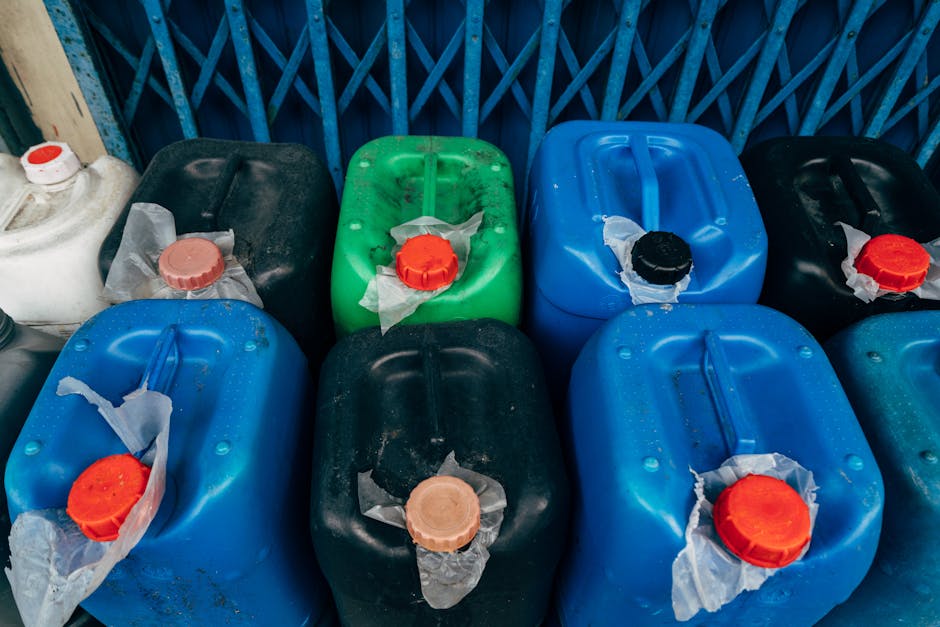
Common Mistakes to Avoid
Most problems come from rushing, not from bad intentions. Here are the slips we see most often.
- Putting hazardous items in general rubbish. This is the big one. It can expose other people to risk and may contaminate an entire load.
- Overfilling containers. If a lid won't close properly, the item is more likely to leak or tip over.
- Removing labels. If you strip the label off a chemical bottle, you make it harder to handle safely later on.
- Mixing products together to "make it easier". It rarely is. The shortcut usually creates a worse problem.
- Leaving aerosols in hot storage areas. That includes airing cupboards and windowsills that get strong afternoon sun.
- Forgetting about small items. A single battery, tube of glue, or half-used paint can still matter.
Another common one: assuming everything with a recycling symbol can go in the same place. Sadly, that is not how it works. The material, residue, and condition all matter. A clean container is one thing; a half-full tin of solvent paint is another.
If you are dealing with a wider property clear-out, pages such as house clearance near Regent's Park and bulk rubbish guidance for tenants are useful examples of how planning and sorting upfront can prevent a messy end-stage.
Tools, Resources and Recommendations
You do not need specialist gear for every household job, but a few low-cost tools make the process safer and calmer.
| Item | Why it helps | Best use |
|---|---|---|
| Strong gloves | Protects hands from residue and sharp edges | Handling containers, batteries, and broken packaging |
| Sealable plastic bags | Contains small items and prevents loose leakage | Caps, lids, batteries, small tubes, and fragments |
| Sturdy box or tray | Stops items rolling or tipping during transport indoors | Moving items from cupboard to storage point |
| Marker pen | Helps relabel unmarked outer packaging clearly | Sorting mixed items or repackaged containers |
| Paper towels or absorbent material | Useful if a small leak appears | Minor spill containment only |
As for resources, the most practical local help is usually the official disposal route you already have access to, plus a reliable waste contractor when the quantity is too awkward for a normal household collection. If you are comparing options, start with clear questions: What can be taken? How will it be handled? Is separation required? What happens if there are mixed items? Straight answers are better than polished promises.
For businesses or home offices that also need to clear out old equipment, the site's office clearance in Marylebone page may be relevant where domestic and office materials overlap. And if you are tackling bins, packaging, and general clutter alongside the hazardous bits, shop waste removal without fines offers a useful reminder about separating waste streams properly.
Law, Compliance, Standards, or Best Practice
Hazardous waste handling in the UK is shaped by common-sense safety principles and by waste duty of care expectations. For households, the practical takeaway is simple: do not dump hazardous items into ordinary rubbish or recycling if they need special handling. Keep them separate, store them safely, and use an appropriate disposal route.
There are a few best-practice ideas worth keeping in mind:
- Duty of care: Waste should be handled in a way that does not create unnecessary risk to others.
- Correct segregation: Different waste types should not be mixed if that makes them harder or more dangerous to process.
- Safe transfer: When waste leaves your home, it should go to a route equipped to deal with it.
- Clear information: Labels, descriptions, and simple notes help handlers understand what they are receiving.
For most residents, the key is not memorising legal detail. It is understanding the practical standard: don't make it harder or riskier for the next person. If a container is leaking or an item is unknown, treat it cautiously. That is the sensible line.
Where safety and responsibility are concerned, the company's insurance and safety information can also give reassurance that proper handling and protective processes matter, not just the end result.
Options, Methods, or Comparison Table
There is no single best way to dispose of hazardous household waste. The right option depends on volume, urgency, and the type of material. Here is a practical comparison.
| Method | Best for | Advantages | Limitations |
|---|---|---|---|
| Separate at home and use a local disposal route | Small, clearly identified household quantities | Simple, low-cost, and controlled | May take time and require careful sorting |
| Specialist waste collection | Mixed items, larger quantities, or awkward materials | Convenient and safer for complex loads | Can be more expensive than doing it yourself |
| House clearance with hazardous segregation | Moves, bereavement clearances, emptying cupboards or whole rooms | Efficient when there is a lot to clear | Requires clear instructions about what is hazardous |
| Ad hoc bin disposal | Almost nothing, ideally never hazardous items | Convenient only in theory | Unsafe and generally the wrong choice |
For most Marylebone households, the most sensible route is either careful home sorting for small quantities or a coordinated clearance for a bigger job. If you have already decided that the waste is part of a larger domestic clear-out, a broader house clearance service can be the more practical option.
Case Study or Real-World Example
A typical Marylebone scenario goes like this. A resident in a second-floor flat starts clearing a cupboard before a weekend guest visit. Inside are three half-used paint tins, a few old batteries, several cleaning sprays, and one battered aerosol can rolling around the back. Nothing dramatic, just the sort of cupboard that quietly becomes a problem over time.
Rather than chucking everything into a bin bag, the resident sets up a tray on the kitchen floor, opens the window, and sorts items into separate groups. The paint tins stay upright in a box, the batteries go into a sealable bag, and the aerosols are kept apart from the cleaners. A faded label is written on the outside of one unmarked container so it can be identified later.
The difference is noticeable straight away. The cupboard is no longer a mystery. There is no smell, no panic, and no fear of a spill inside the communal lift. A few hours later, the rest of the flat is much easier to clear because the dangerous pieces have been handled first. Funny how that works.
That same pattern appears in larger jobs too. Renovation leftovers, move-out clutter, and mixed household waste all become easier once the hazardous items are separated early. The process is not glamorous, but it is very effective. Sometimes the boring step is the smart one.
For readers dealing with residential areas and local living conditions, the related pages on Marylebone living views from local residents and a perfect day in Marylebone provide a nice reminder that keeping homes and shared spaces tidy supports the character of the area too.
Practical Checklist
Use this quick checklist before you move or dispose of any hazardous household waste.
- Have I identified what the item actually is?
- Is it clearly separated from normal rubbish and recycling?
- Is the container sealed, upright, and not leaking?
- Have I kept the original label or made a clear note?
- Are incompatible items stored apart?
- Is the storage spot cool, stable, and out of reach of children or pets?
- Do I need gloves, a tray, or absorbent paper for safer handling?
- Is this a small domestic quantity or part of a larger clearance job?
- Do I know which disposal route is appropriate?
- Have I double-checked for hidden items under sinks, in drawers, or in the shed?
If you can tick most of those boxes, you are already doing better than many households. And if you cannot, that is fine too - it just means the item deserves a slower, more careful approach.
Get a free quote today and see how much you can save.
Conclusion
Hazardous household waste in Marylebone does not need to become a major project. Most of the time, safe handling comes down to a few calm, repeatable steps: identify the item, keep it separate, store it properly, and choose the right disposal route. Do that, and you reduce risk for yourself, your neighbours, and anyone who handles the waste after you.
The real win here is not perfection. It is control. When you know what to do with the awkward stuff, the rest of the clear-out feels lighter, quicker, and far less stressful. That is especially welcome in a place like Marylebone, where homes are busy, spaces are compact, and people value neatness more than most. A small bit of care goes a long way.
Take it one cupboard at a time. You will be surprised how manageable it becomes.


 Tipper Van - Property Waste Removal and Rubbish Removal Prices in Marylebone, W1
 Luton Van - Property Waste Removal and Rubbish Removal Prices in Marylebone, W1